A well-designed residential curriculum plays a central role in leadership development beyond academics, particularly in boarding school environments. While rigorous coursework remains a defining feature of these institutions, the most meaningful growth often occurs outside the classroom. Boarding schools are uniquely structured to integrate academic learning with daily living, creating continuous opportunities for students to develop leadership skills, independence, and interpersonal awareness.
As families evaluate educational options in 2026, there is growing recognition that success in college and careers depends on more than grades and test scores. Skills such as collaboration, ethical decision-making, and resilience are increasingly prioritized by universities and employers alike. Boarding schools, through their residential curricula, are intentionally designed to cultivate these competencies.
This article examines how residential life programs support leadership development beyond academics, what families should look for, and how these experiences prepare students for long-term success.
What Is a Residential Curriculum?
A residential curriculum refers to the structured framework that guides student life outside the classroom in a boarding school setting. Unlike informal dorm supervision, modern residential programs are intentional, outcomes-based, and aligned with a school’s broader educational mission.
These programs typically include:
- Leadership opportunities within dormitories
- Social and emotional learning initiatives
- Community standards and accountability systems
- Programming focused on wellness, diversity, and inclusion
- Faculty mentorship integrated into residential life
In many leading boarding schools, residential curriculum design has evolved significantly over the past decade. Influenced by research from organizations such as the American College Personnel Association, schools are adopting models similar to university residential education systems, but tailored to adolescent development.
Families new to this concept may benefit from a broader overview of boarding school structure and expectations in this guide: https://www.boardingschoolreview.com/blog/questions-to-ask-when-visiting-a-boarding-school-2026-guide
Why Leadership Development Beyond Academics Matters
Leadership development beyond academics is not a secondary benefit of boarding school; it is a core outcome. Students live, study, and interact in a shared environment that requires constant engagement with others.
This daily immersion creates conditions where leadership is practiced, not just taught.
According to recent findings from the Harvard Graduate School of Education, students benefit from environments that emphasize relationship-building and experiential learning alongside academics.
Boarding schools align closely with this model by offering:
- Real-time conflict resolution experiences
- Opportunities to lead peers in informal settings
- Exposure to diverse perspectives and backgrounds
- Structured reflection on personal growth
These elements help students build confidence and decision-making skills that are difficult to replicate in day school environments.
Key Components of a Residential Curriculum
Residential curricula vary by institution, but most effective programs share several core components.
1. Student Leadership Roles
Boarding schools provide numerous formal leadership opportunities within residential life, including:
- Dorm prefects or proctors
- Student government representatives
- Peer mentors for younger students
- Residential advisory leaders
These roles require students to balance authority with empathy, often managing real responsibilities such as organizing activities or mediating peer concerns.
2. Faculty Engagement and Mentorship
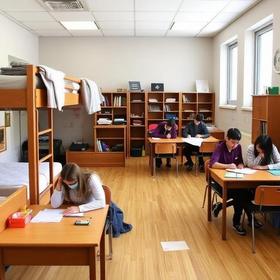
Faculty involvement is a defining feature of boarding school life. Teachers often serve as dorm parents, advisors, and coaches, creating multiple touchpoints throughout the day.
This continuous interaction allows for mentorship relationships that extend beyond academics. As highlighted, students benefit from having faculty accessible in various roles, which strengthens both guidance and accountability.
3. Structured Programming
Residential life programs typically include weekly or monthly sessions focused on:
- Leadership development
- Ethical decision-making
- Cultural competency
- Mental health and wellness
These sessions are often discussion-based and tied to real-life scenarios students encounter in dorm settings.
4. Community Living Expectations
Living in a shared environment teaches students responsibility and respect for others. Expectations around:
- Time management
- Shared space maintenance
- Conflict resolution
are reinforced daily, helping students internalize habits that support leadership growth.
5. Reflection and Feedback
Many schools incorporate reflection practices such as advisory meetings or journaling exercises. These help students process experiences and identify areas for growth.
Residential Curriculum vs. Traditional Extracurricular Leadership
Families often ask how residential leadership compares to traditional extracurricular leadership roles. Both are valuable, but they differ in scope and impact.
| Aspect | Residential Curriculum | Extracurricular Leadership |
|---|---|---|
| Frequency | Daily, ongoing | Periodic |
| Context | Real-life living situations | Activity-based |
| Accountability | Peer and faculty oversight | Advisor-led |
| Skill Development | Interpersonal, emotional, practical | Organizational, strategic |
| Impact | Holistic personal growth | Specific skill-building |
Residential leadership experiences tend to be more immersive and continuous, offering students repeated opportunities to practice and refine their skills.
For additional context on how these experiences compare to broader boarding school benefits, see: https://www.boardingschoolreview.com/blog/benefits-of-boarding-school-10-advantages-for-students
The Role of Diversity in Leadership Development
Boarding schools often enroll students from a wide range of geographic and cultural backgrounds. This diversity is a critical component of leadership development beyond academics.
Students regularly engage with peers who have different perspectives, values, and experiences. This exposure helps develop:
- Cultural awareness
- Empathy
- Global thinking
Research from the National Association of Independent Schools emphasizes that diverse learning environments improve students’ ability to collaborate and lead effectively.
Additionally, data from the National Center for Education Statistics highlights the growing importance of social and emotional competencies in student success.
Residential settings amplify these benefits by requiring students to navigate differences in everyday interactions, not just classroom discussions.
How Residential Life Prepares Students for College
One of the clearest advantages of a strong residential curriculum is college readiness. Students who have lived in structured boarding environments often transition more smoothly to university life.
They are already familiar with:
- Managing their schedules independently
- Advocating for themselves with adults
- Living with roommates
- Balancing academic and social responsibilities
As noted in the Boarding School Review discussion of student independence and responsibility, boarding environments encourage students to make meaningful choices and manage their own time effectively.
These skills align closely with what colleges expect from incoming students, particularly as institutions place greater emphasis on student self-management and resilience.
Evaluating a Boarding School’s Residential Curriculum
Not all residential programs are equally developed. Families should look beyond marketing materials and ask specific questions during the admissions process.
Consider the following:
- Is the residential curriculum clearly defined and documented?
- How are student leadership roles structured and supported?
- What training do faculty receive for residential responsibilities?
- How does the school handle conflict and discipline within dorms?
- Are there regular opportunities for student feedback?
Schools that can clearly articulate their approach to residential education are more likely to deliver consistent and meaningful outcomes.
Common Misconceptions
Some families assume that leadership development happens automatically in boarding schools. While the environment provides opportunities, intentional design is what makes the difference.
Another misconception is that residential life is primarily social. In reality, it is a structured extension of the educational program, aligned with institutional goals.
As discussed in, boarding school education extends beyond academics by design, with residential life playing a central role in shaping student growth.
Conclusion
Residential curriculum design is central to leadership development beyond academics in boarding schools. By integrating structured programming with daily living experiences, these institutions create an environment where students continuously practice leadership, build independence, and develop essential life skills.
For families considering boarding school, understanding the strength of a school’s residential program is just as important as evaluating its academic offerings. In many cases, it is this immersive, community-based experience that leaves the most lasting impact.
As education continues to evolve in 2026, the ability to lead, collaborate, and adapt remains critical. Boarding schools, through thoughtful residential curricula, are uniquely positioned to cultivate these qualities in meaningful and lasting ways.