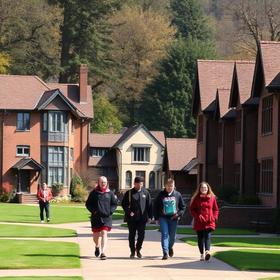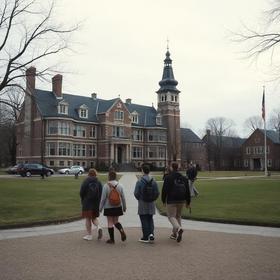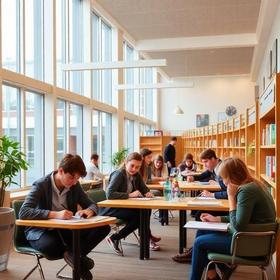
Boarding school sustainability initiatives and green campus planning are becoming central to how institutions design their campuses, deliver education, and prepare students for a changing world. As environmental concerns continue to shape global priorities in 2026, many boarding schools are aligning their operations and curricula with sustainability goals.
Unlike day schools, boarding schools operate as fully residential communities. This creates both challenges and opportunities. Energy use, food systems, transportation, and building design must all be managed on campus, but these same systems can serve as living laboratories for sustainability education.
For families evaluating boarding school options, understanding how schools approach environmental responsibility offers insight into both campus culture and long-term institutional values.
Why Sustainability Matters in Boarding Schools
Sustainability in education is no longer limited to classroom discussions about climate science. It increasingly involves operational decisions and campus-wide commitments.
Boarding schools are uniquely positioned to lead in this area because they manage:
- Housing and dining services
- Extensive physical campuses
- Year-round resource consumption
- Student behavior and community norms
According to the U.S. Environmental Protection Agency, schools that adopt sustainable practices can significantly reduce energy consumption and operational costs while improving student health and engagement.
In a residential setting, these benefits are amplified. Students see the direct impact of sustainability practices on their daily lives, from energy use in dormitories to food sourcing in dining halls.
Core Elements of Green Campus Planning
Green campus planning involves a comprehensive approach to designing and managing school environments with environmental impact in mind. Leading boarding schools typically focus on several key areas.
1. Energy Efficiency and Renewable Energy
Many campuses are investing in:
- Solar panel installations
- Energy-efficient lighting and HVAC systems
- Smart building technologies that monitor usage
These initiatives reduce carbon footprints and often serve as educational tools. Students may track energy consumption or participate in sustainability committees that analyze campus data.
Recent guidance from the U.S. Department of Energy highlights the growing role of educational institutions in advancing renewable energy adoption.
2. Sustainable Building Design
New construction and renovations increasingly follow green building standards such as LEED certification. Features may include:
- Improved insulation and natural lighting
- Water-efficient fixtures
- Environmentally responsible materials
Green building design not only reduces environmental impact but also creates healthier indoor environments, which is particularly important in residential schools.
3. Waste Reduction and Recycling Programs
Boarding schools generate significant waste due to their residential nature. Effective programs focus on:
- Composting food waste
- Reducing single-use plastics
- Encouraging recycling and reuse
Many schools involve students directly in these efforts, reinforcing habits that extend beyond campus life.
4. Sustainable Dining and Food Systems
Dining services are a major component of boarding school operations. Increasingly, schools are adopting:
- Farm-to-table sourcing
- Plant-forward menus
- Partnerships with local producers
These practices reduce environmental impact and introduce students to sustainable consumption patterns.
5. Land and Water Management
Large campuses often include green spaces, athletic fields, and natural habitats. Sustainable management strategies include:
- Native landscaping
- Rainwater collection systems
- Reduced pesticide use
These initiatives help preserve biodiversity while lowering maintenance costs.
How Sustainability Enhances Student Learning
Boarding school sustainability initiatives are not limited to operations; they are integrated into the educational experience. Students benefit from hands-on learning opportunities that connect theory with practice.
Examples include:
- Environmental science courses using campus data
- Student-led sustainability clubs
- Research projects on energy or conservation
- Leadership roles in campus initiatives
This approach reflects broader trends in experiential education. According to research from Stanford University’s Doerr School of Sustainability, experiential learning improves student engagement and long-term retention of environmental concepts.
Boarding schools, with their controlled environments, are particularly effective at implementing these models.
Families interested in how experiential learning fits into the broader boarding school model may find this overview helpful: https://www.boardingschoolreview.com/blog/why-boarding-school
Additional insight into academic and experiential balance can be found here: https://www.boardingschoolreview.com/blog/boarding-school-academics-vs-public-school-honors-programs
Comparing Traditional vs. Green Boarding Campuses
Not all boarding schools are at the same stage of sustainability planning. The differences can be significant.
| Feature | Traditional Campus | Green Campus |
|---|---|---|
| Energy Use | Conventional systems | Renewable and efficient systems |
| Buildings | Standard construction | LEED or equivalent design |
| Dining | Conventional sourcing | Sustainable and local sourcing |
| Waste | Limited recycling | Comprehensive waste reduction |
| Student Involvement | Minimal | Active participation |
Green campuses tend to integrate sustainability into both operations and student life, creating a more cohesive educational experience.
For a broader look at campus life and student experience, see: https://www.boardingschoolreview.com/blog/life-at-boarding-school-what-families-should-expect
Student Leadership in Sustainability Initiatives
Leadership development is a key outcome of boarding school education, and sustainability initiatives provide a natural platform for student involvement.
Students may:
- Serve on environmental committees
- Lead awareness campaigns
- Organize campus-wide sustainability events
- Collaborate with administrators on policy changes
These roles mirror real-world environmental leadership, giving students practical experience in problem-solving and collaboration.
This aligns with broader boarding school goals of fostering responsibility and independence. Living in a residential community encourages students to take ownership of shared spaces and resources.
Financial and Operational Considerations
Sustainability initiatives often require upfront investment, particularly for infrastructure projects such as solar installations or building renovations. However, many schools view these costs as long-term investments.
Benefits include:
- Reduced utility expenses over time
- Increased campus resilience
- Enhanced appeal to environmentally conscious families
Some schools also pursue grants or partnerships to support sustainability efforts. The U.S. Department of Education has highlighted increased funding opportunities for green infrastructure in schools over the past two years.
For families, it is worth asking how a school balances sustainability goals with financial planning.
Evaluating a Boarding School’s Sustainability Commitment
Prospective families should look beyond marketing claims and assess how deeply sustainability is embedded in a school’s operations and culture.
Key questions include:
- Does the school have a formal sustainability plan or goals?
- Are students actively involved in initiatives?
- What measurable outcomes has the school achieved?
- How are sustainability principles integrated into academics?
- Are facilities designed with environmental impact in mind?
Schools that provide clear, transparent answers are more likely to have meaningful programs in place.
For additional guidance on selecting the right environment, this resource may help: https://www.boardingschoolreview.com/blog/admissions-perspective-choosing-a-boarding-school
Challenges and Limitations
While progress is significant, sustainability efforts in boarding schools are not without challenges.
Common limitations include:
- High initial costs for infrastructure upgrades
- Balancing historic campus preservation with modernization
- Ensuring consistent student participation
- Measuring long-term impact
Despite these challenges, the overall trend is toward increased commitment and innovation.
The Future of Boarding School Sustainability Initiatives and Green Campus Planning
Looking ahead, sustainability is expected to play an even larger role in boarding school education. Emerging trends include:
- Carbon neutrality goals
- Expanded use of renewable energy
- Integration of climate studies across disciplines
- Partnerships with environmental organizations
As climate-related issues continue to influence higher education and workforce expectations, boarding schools are adapting to prepare students accordingly.
Conclusion
Boarding school sustainability initiatives and green campus planning are reshaping how residential education operates and how students learn. By integrating environmental responsibility into daily life and academic programs, boarding schools provide a comprehensive approach to sustainability.
For families considering boarding school, evaluating these initiatives offers valuable insight into a school’s priorities and long-term vision. Beyond reducing environmental impact, these efforts support leadership development, experiential learning, and community engagement.
In 2026 and beyond, boarding school sustainability initiatives and green campus planning will remain essential components of a forward-looking education, preparing students to navigate and contribute to an increasingly complex world.